Perspectives on Clinical Operations & Sovereign AI
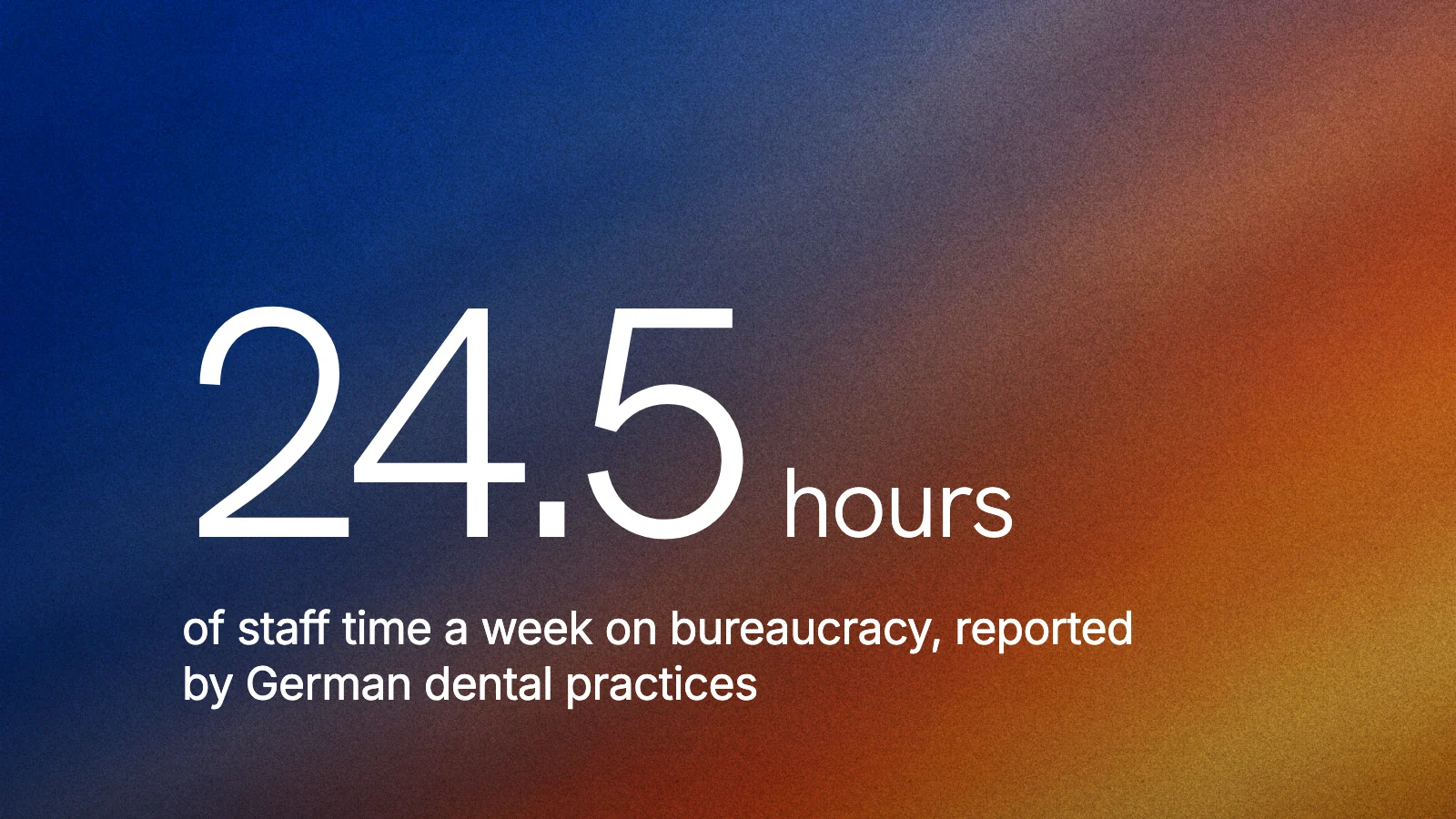
The 24.5 hours nobody schedules
In a 2022 survey that collected 2,347 completed questionnaires, German dental practices reported an average of 24.5 staff hours a week spent on bureaucracy. The report points to work done twice, on paper and on screen, and the hours include work a practice has to do.
All posts
Research, operational benchmarks, and engineering notes from the iGenticLabs team.
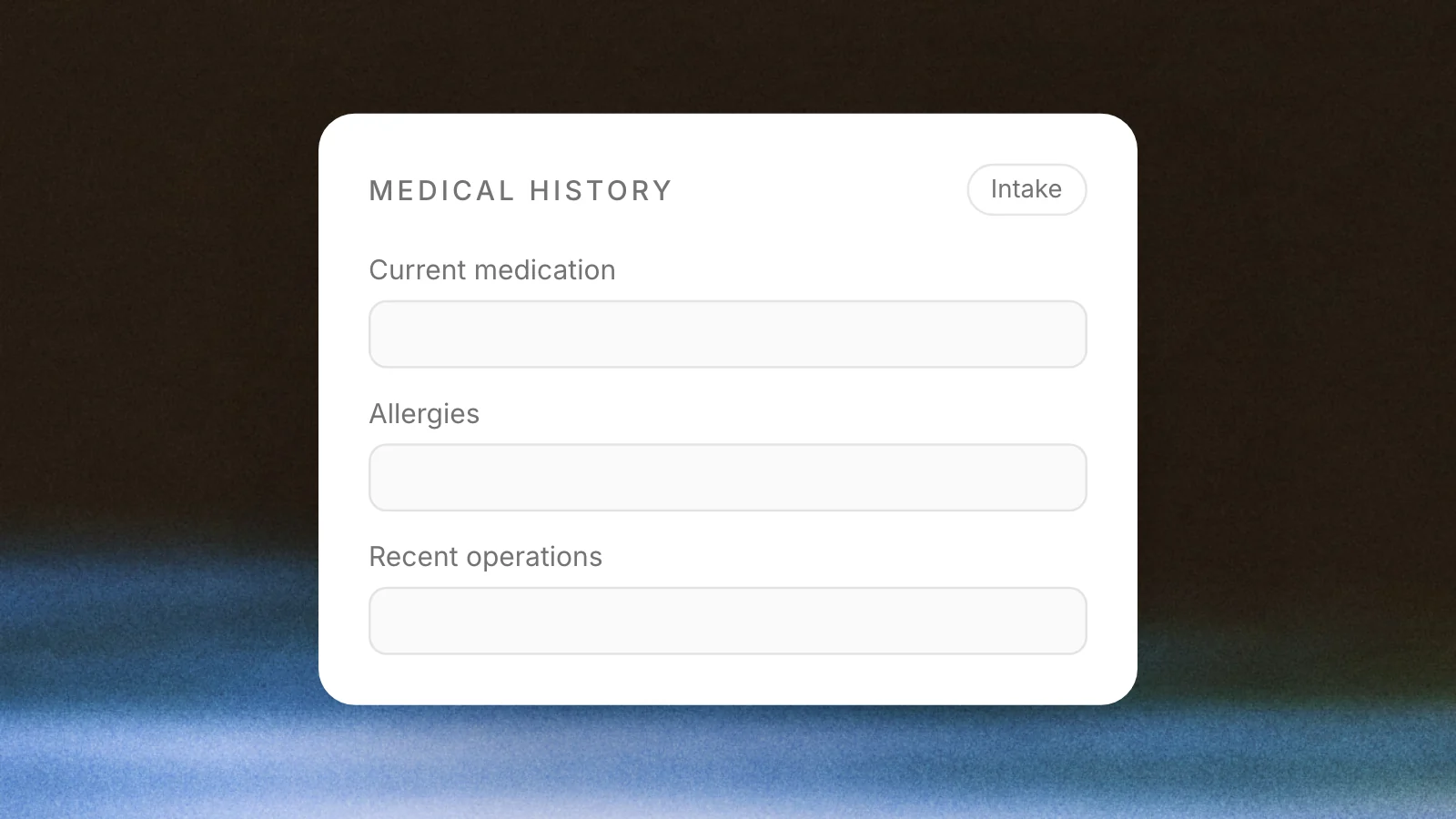
The clipboard that survived the computer
A survey of dentists in Indiana recorded paper medical-history forms and repeated requests for information, even where electronic records were common. An older survey shows how wide the gap between countries once was.
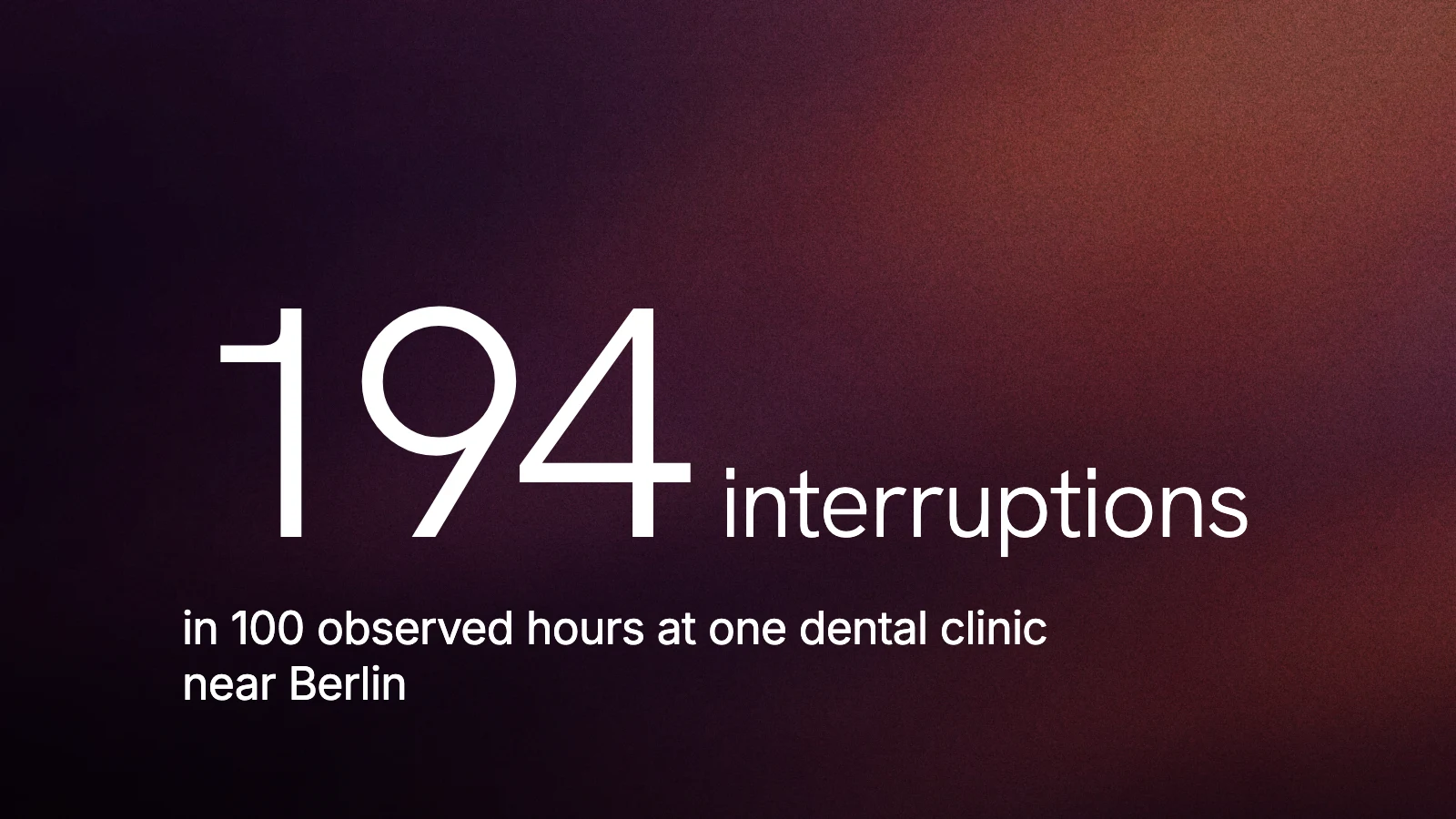
194 interruptions
Researchers observed one dental clinic near Berlin for 100 hours and counted 194 interruptions. What the interruptions were about says more than how many there were.
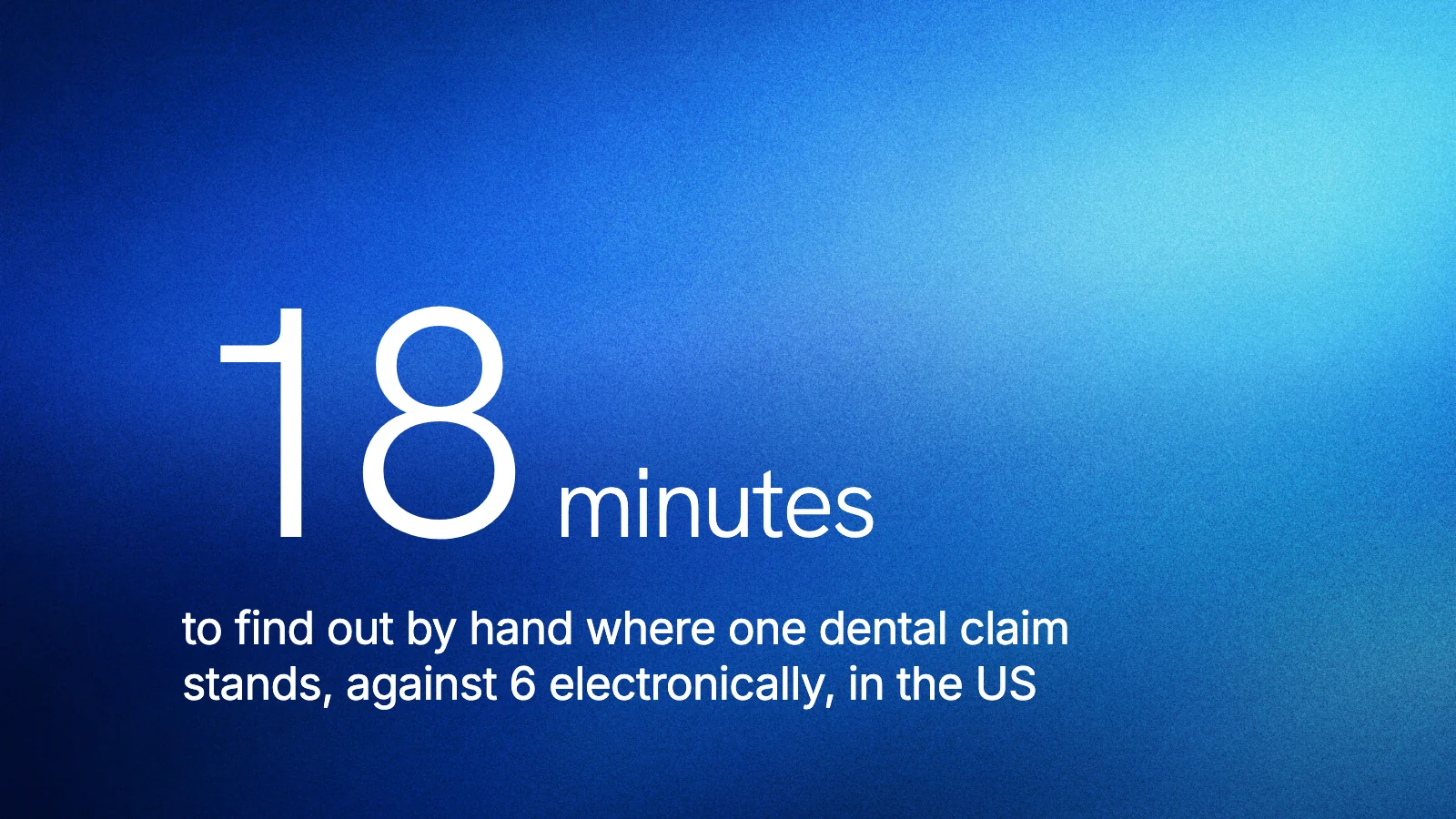
Eighteen minutes to ask where a claim is
A US benchmark estimates how long a dental practice spends finding out where a single insurance claim stands. The answer depends on how the question is asked.
The owner's second job
In a German practice panel with about 1,800 submissions, owners reported working an average of 44.0 hours a week in 2023, 8.5 of them on practice administration: close to a fifth of the week, from the same person who treats the patients.
What the paperwork takes
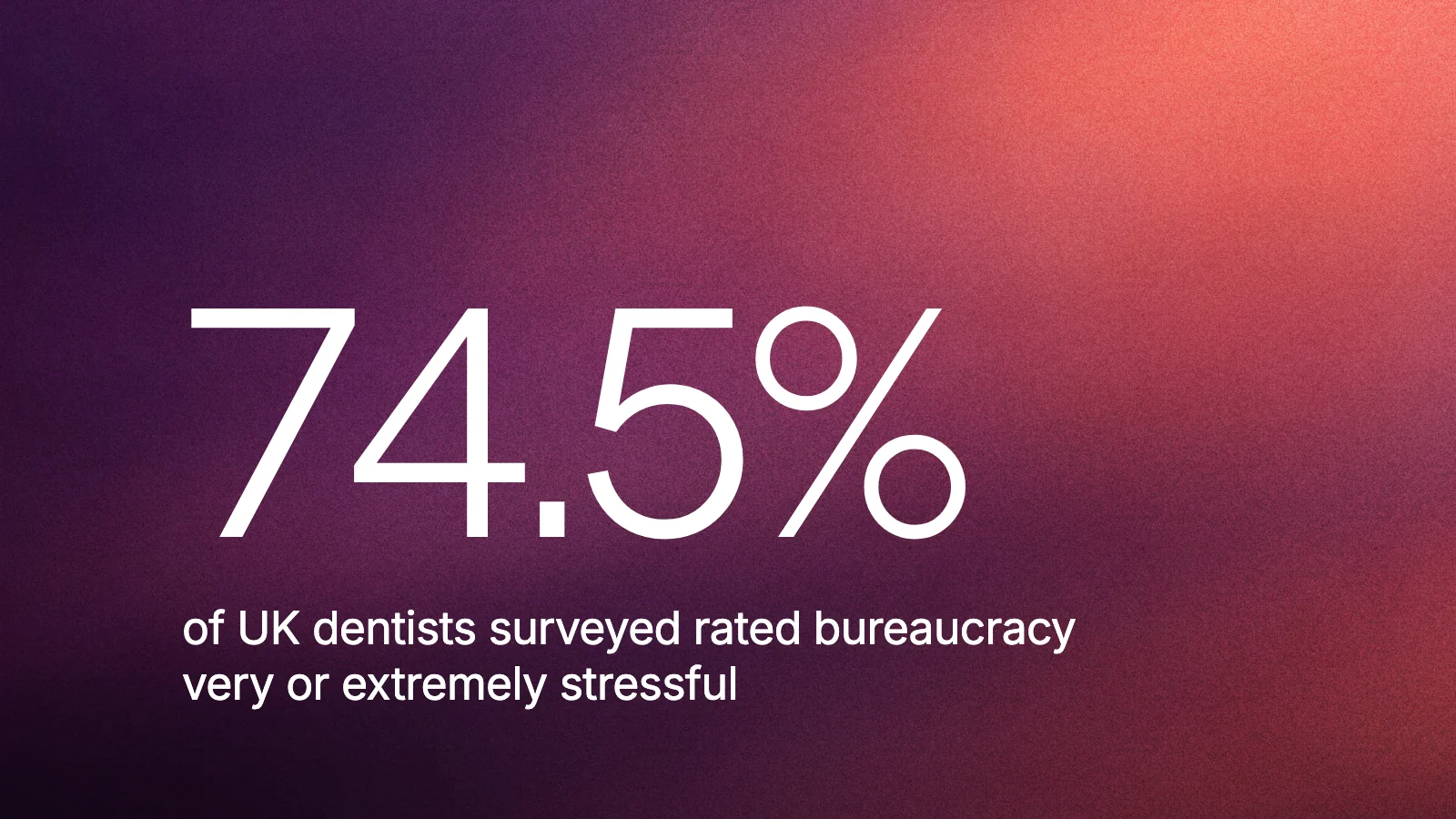
A UK survey of dentists, published in 2019 with 2,053 valid responses, found bureaucracy to be a prominent source of stress in the work, ahead of running behind schedule. Two burnout reviews add scale, though neither measured time.
Between the fax and the scanner
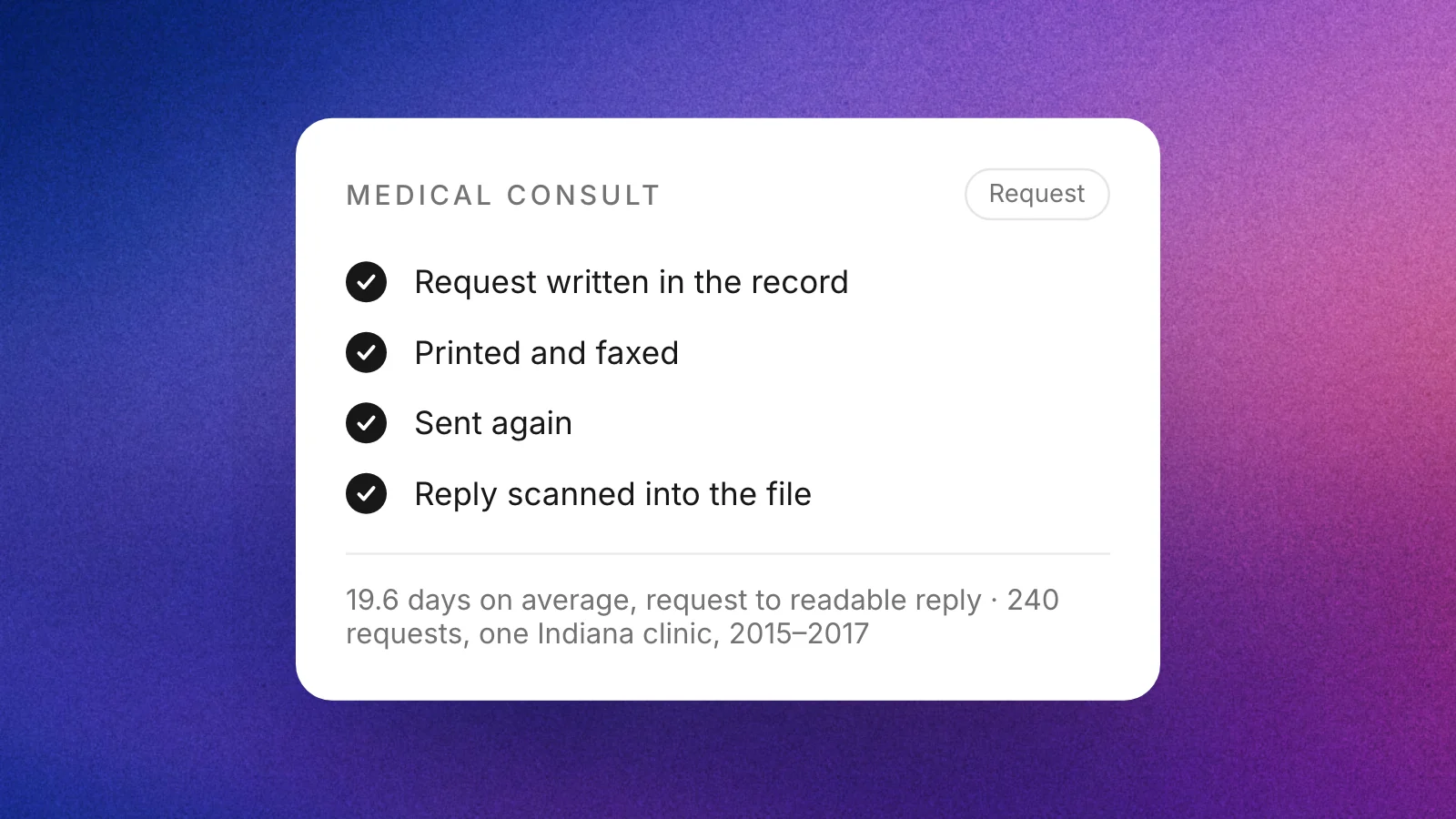
When a dental clinic needs information from a patient's physician, the request and the reply can pass through a form, a printer, a fax and a scanner. At one academic clinic in Indiana, a review of 240 requests from 2015 to 2017 found the reply took 19.6 calendar days, on average, to become available to the team.
The quiet power of a reminder
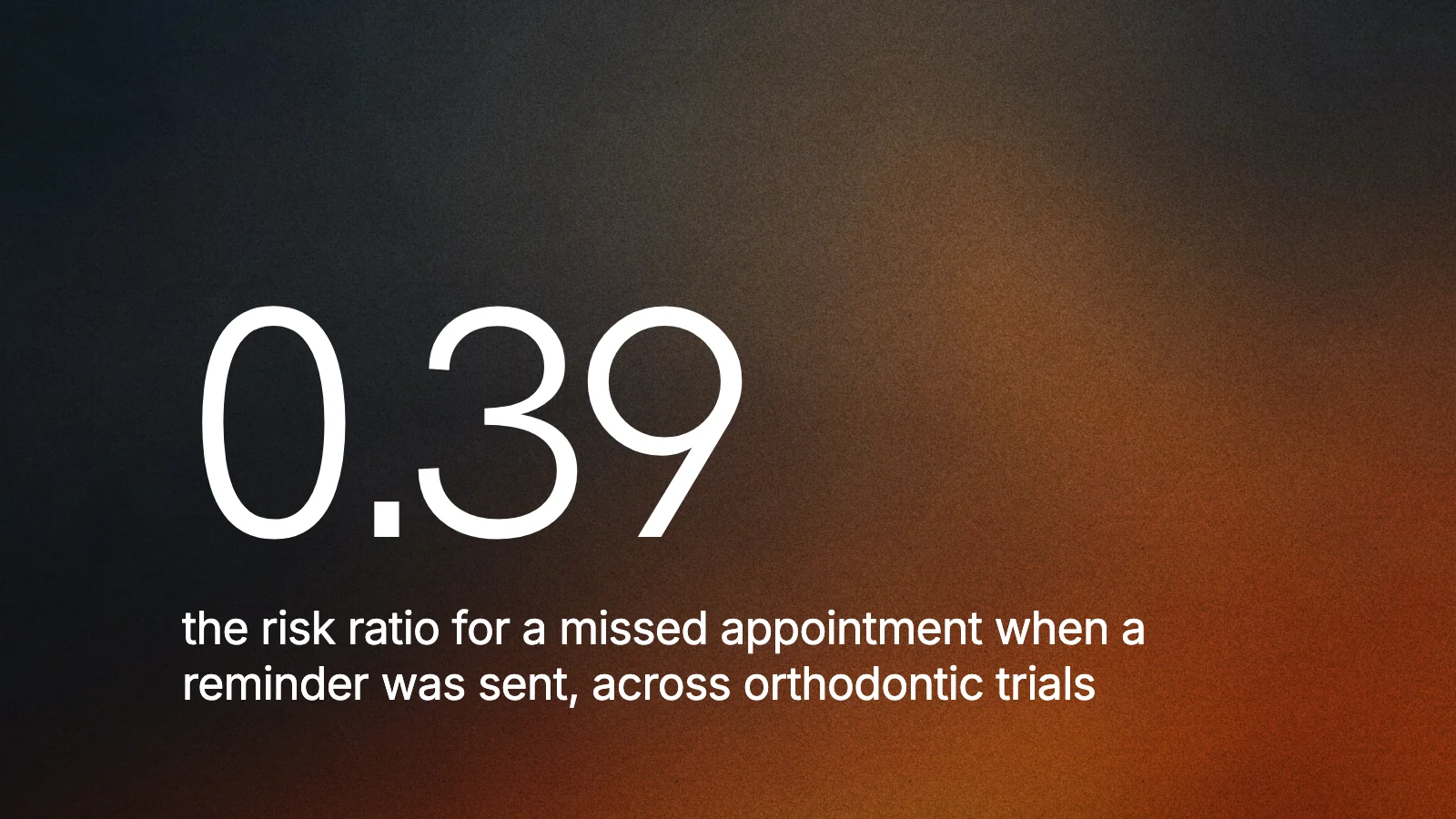
A meta-analysis of randomised trials in orthodontics found fewer missed appointments among patients who were sent reminders: about 61% less likely to miss one, across the pooled trials. A result that belongs to orthodontics.
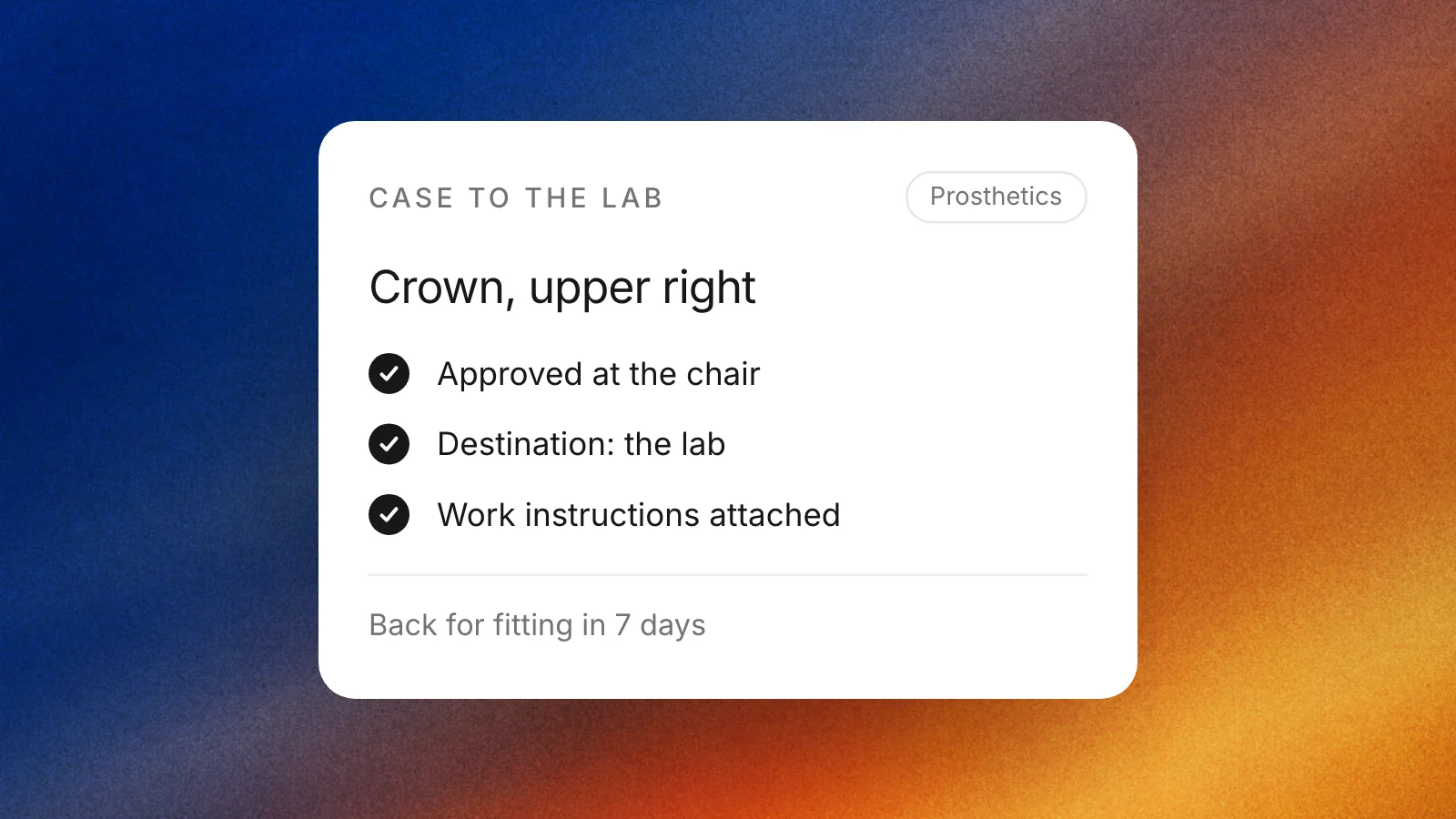
The handoff between chair and lab
Prosthetic work moves between clinic and laboratory, and every handoff depends on an approval, a destination and a clear instruction. A field study in Taiwan recorded what went wrong when those handoffs ran on paper.
The desk that holds the practice together
A UK survey of dental practice managers and receptionists, and recruitment figures from Germany and the United States. Two separate pressures on the same desk, and why the evidence keeps them apart.

When paperwork becomes a reason to leave
In a 2024 US survey, almost all the practice owners who explained why they had left an insurance network cited reimbursement. Surveys and interviews from the US, Canada and Ireland keep returning to another theme: the administration itself.
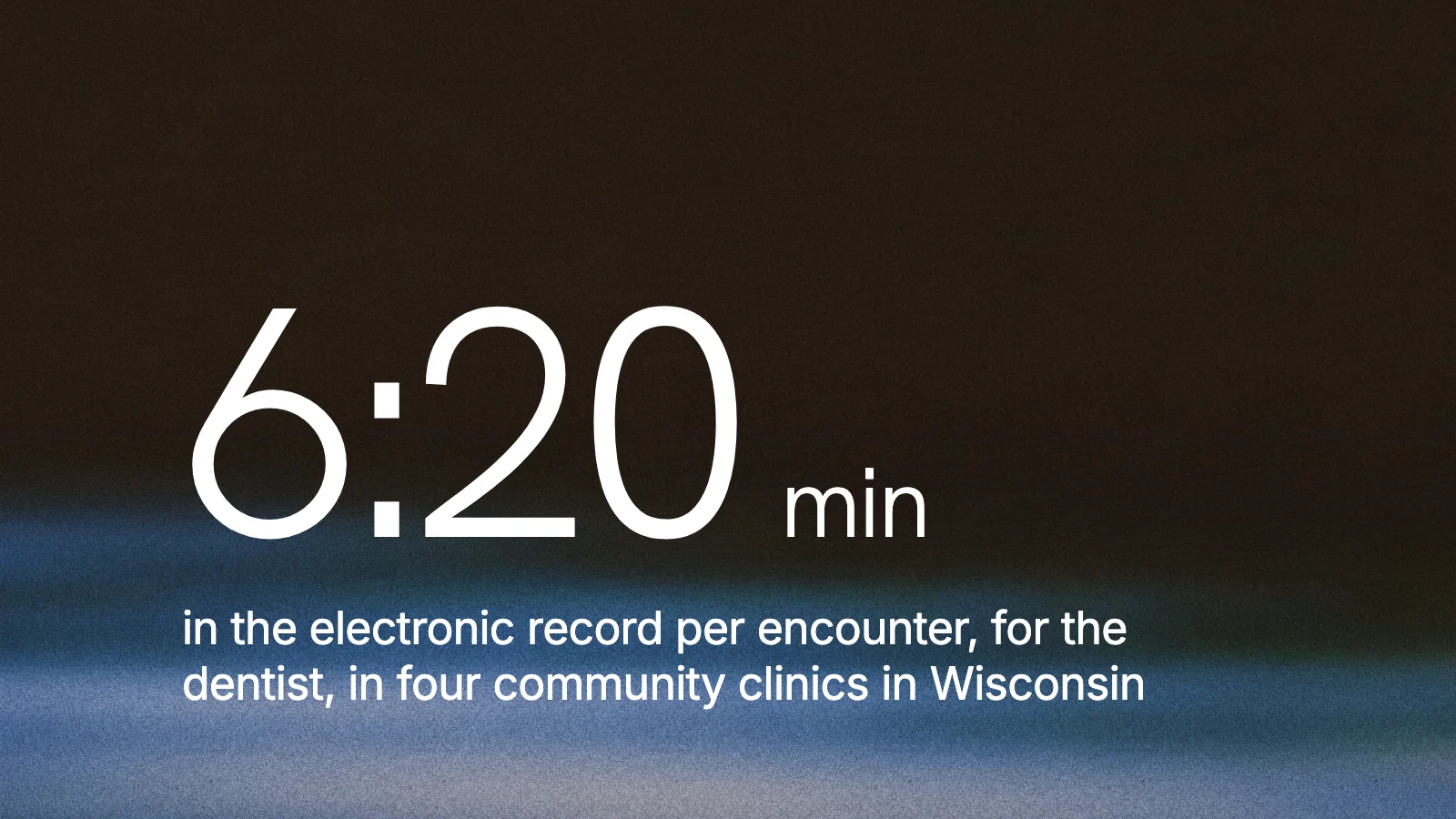
Six minutes and twenty seconds
In a time-and-motion study of 120 encounters in four community dental clinics in Wisconsin, published in 2016, the dentist spent an average of 6 minutes 20 seconds in the electronic record per encounter, and the assistant and hygienist longer. Older usability tests show how much a screen can ask of the person using it.
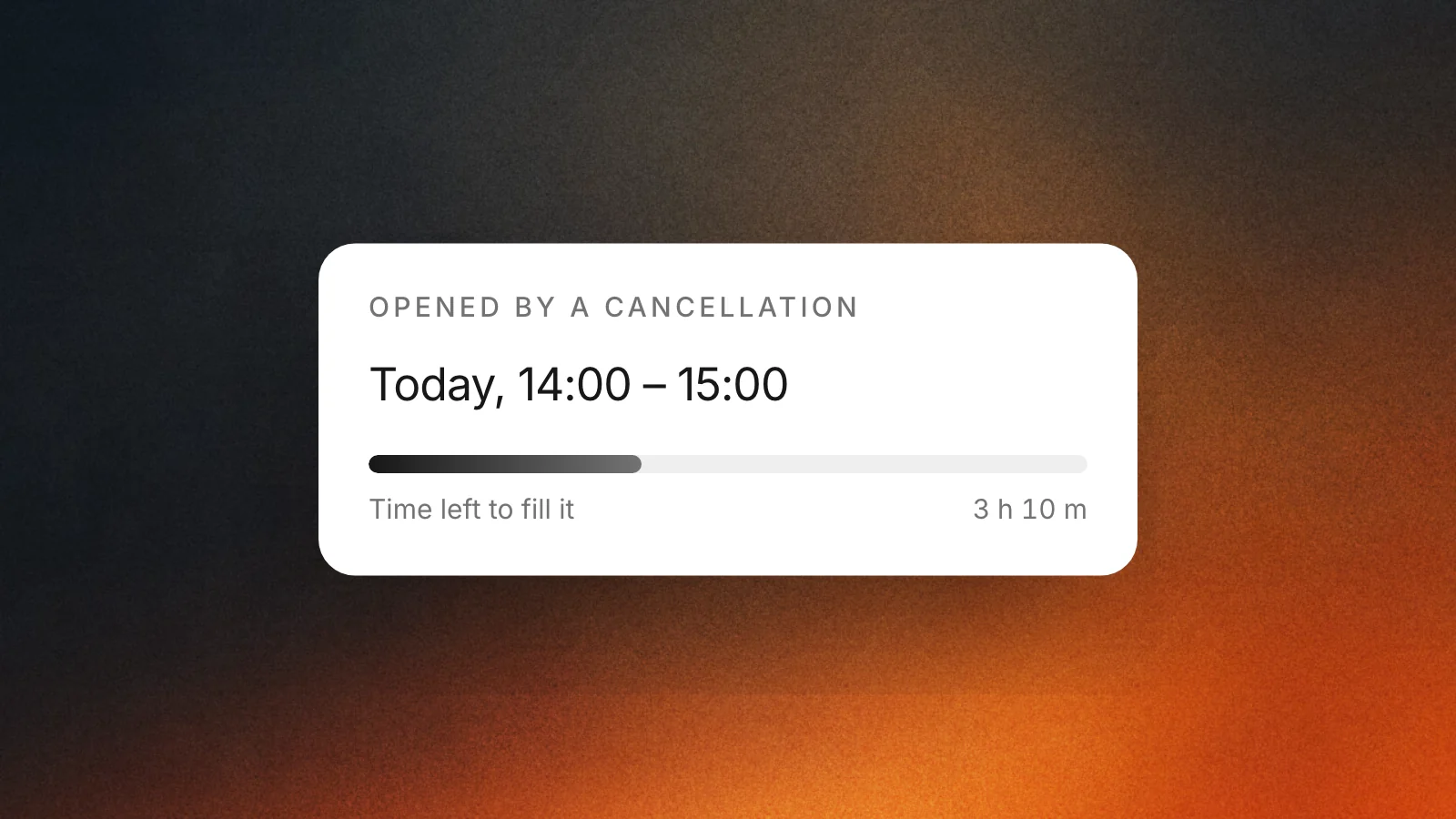
An empty hour has a shelf life
The deadline isn't the appointment time. And the call that would fill that hour is the only task at the front desk with nobody in front of it.
The work that decides revenue isn't written down
A sticky note, a spreadsheet, and a callback list in someone's head. Not a discipline problem — a method the practice has outgrown. Here's a five-minute test.
When software stores the data but leaves the work to you
"We already have software" can be true while follow-ups still depend on the team. The question is which work the system initiates and which work remains manual.

Where your patients' data actually goes
"We won't look" is a policy. "We can't look" is an architecture. Five questions that tell them apart in one meeting — including the answer we owe about ourselves.
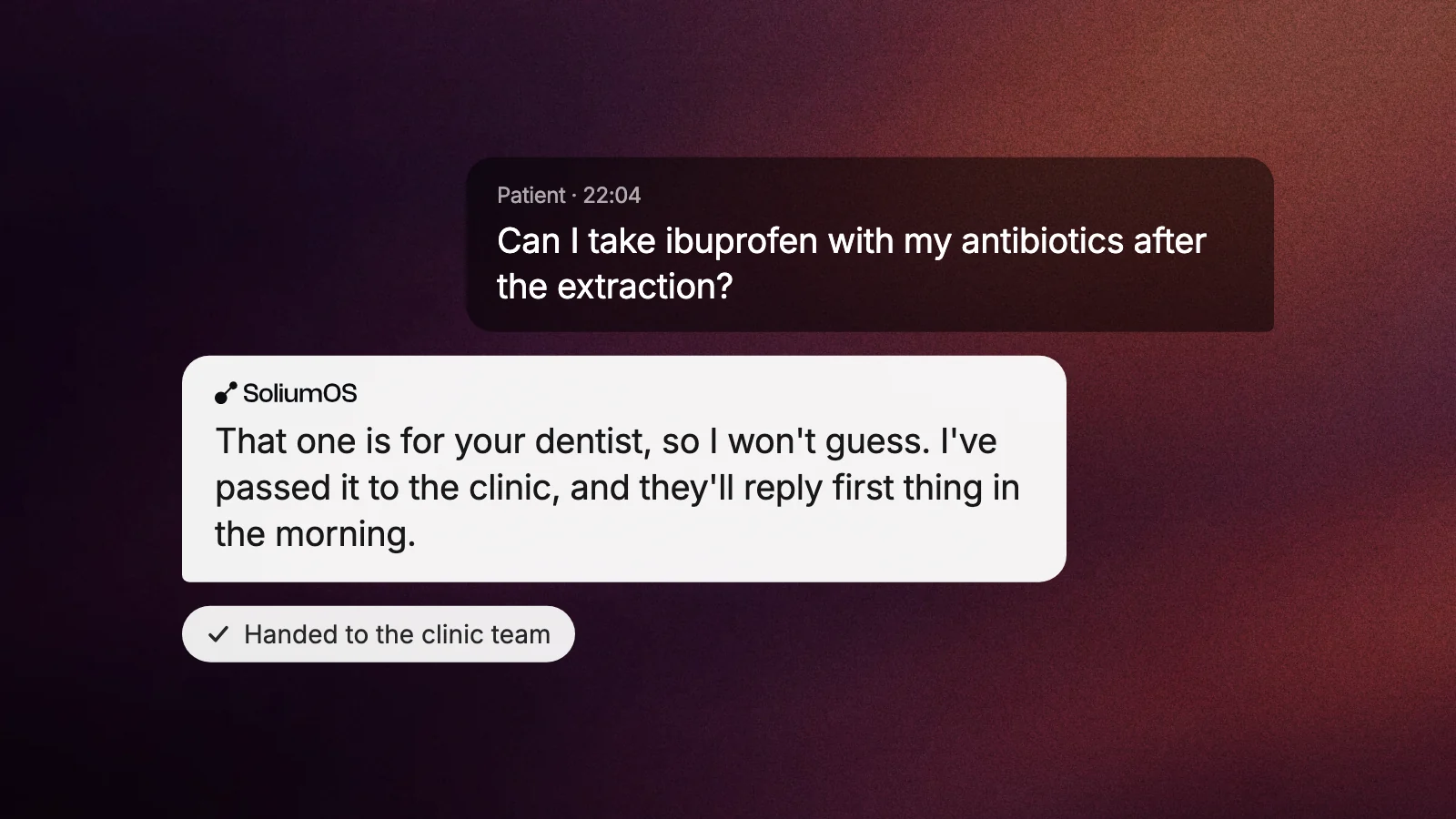
The most dangerous assistant always has an answer
A patient asks a question at ten at night that software should never answer — and gets an answer. What it actually takes to build an assistant that stops.